Diarrhea is one of the most common things I see as a house-call veterinarian.

And also one of the most misunderstood.

Because sometimes… it’s nothing.
And sometimes… it really, really isn’t.

That’s the tricky part.

The Question Every Owner Asks Me

“Should I call you… or should I just wait it out?”

The textbook answer—the one from the veterinary ivory tower—is:
“Always call your vet to be safe.”

But I don’t live in the ivory tower.

I practice in people’s homes.
I see real life:

• Busy schedules
• Financial limitations
• Dogs who hate the car
• Owners trying to do the right thing without overreacting

So instead of giving you a blanket answer, I’m going to walk you through how I actually think about diarrhea cases in the real world.

Why I’m More Cautious With New Clients

If I’ve never met your pet before, I will almost always recommend an exam.

Not because I want to be overly cautious—but because I’ve learned something important over time:

There is no reliable relationship between how worried an owner is… and how sick a pet actually is.

Some pets are critically ill and their symptoms have slowly become “normal” to their owner.

I’ve walked into homes for what was supposed to be a routine visit, taken one look at a pet across the room, and thought:

“This is not good.”

I once saw a cat like this—thin, struggling to breathe, elbows splayed.
The owner told me, “That’s just how she breathes.”

It wasn’t.

That cat had pleural effusion and needed emergency care immediately.

That’s why I don’t give casual advice like
“just feed a bland diet” to pets I haven’t examined.

Because sometimes… it’s not just diarrhea.


So What Changes When I Do Know Your Pet?

When I know your dog—your dog’s age, history, personality, medications—I can be much more nuanced.

I don’t just ask: “Is there diarrhea?”

I ask:

• How severe is it?
• Are there other symptoms?
• Has this dog done something like this before?

And I mentally sort cases into three buckets:

  1. Mild diarrhea, no other symptoms
  2. Mild diarrhea + other symptoms
  3. Severe diarrhea (usually with blood in it and other symptoms)

This isn’t about diagnosing the cause yet.

It’s about answering one question:

👉 Does this dog need to be seen right now?


What “Mild Diarrhea” Actually Means

When I say “mild,” I mean:

• Loose or watery stool
• Maybe some mucus
• No blood
• No vomiting
• Normal energy
• Still eating

In a young, otherwise healthy dog, 1–2 episodes like this?

Most of the time… it resolves on its own.


What I Tell My Clients to Do at Home

If everything else looks normal, I’ll often say:

“Let’s give this 24 hours.”

During that time:

• Feed a bland diet (chicken and rice or GI food)
• Encourage hydration
• Skip long walks or strenuous activity

And then we watch.

Not casually—intentionally.

Because what matters isn’t just what’s happening now…

It’s what happens next.


When It’s Time to Call Me

Here’s where I want you to shift from “wait and see” to action:

• It lasts longer than 24 hours
• It becomes frequent or large-volume
• You see blood
• Your dog is lethargic
• Your dog won’t eat
• Or something just feels… off

And then there’s the big one:

Vomiting + Diarrhea

This is where my brain shifts immediately.

Because now I’m not just thinking “GI upset.”

I’m thinking:

• Foreign body (something they ate that they shouldn’t have)
• Pancreatitis
• Toxins
• Conditions that may require urgent care or even surgery

When both ends are involved, dehydration happens faster—and the stakes go up.


What Happens When I Come to Your Home

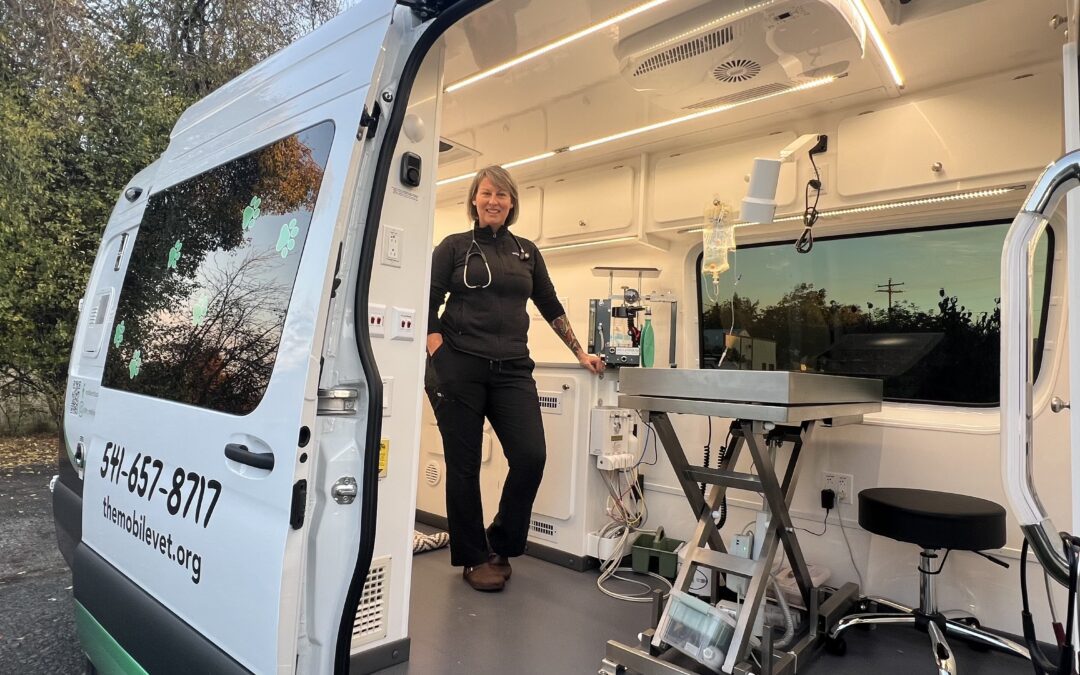
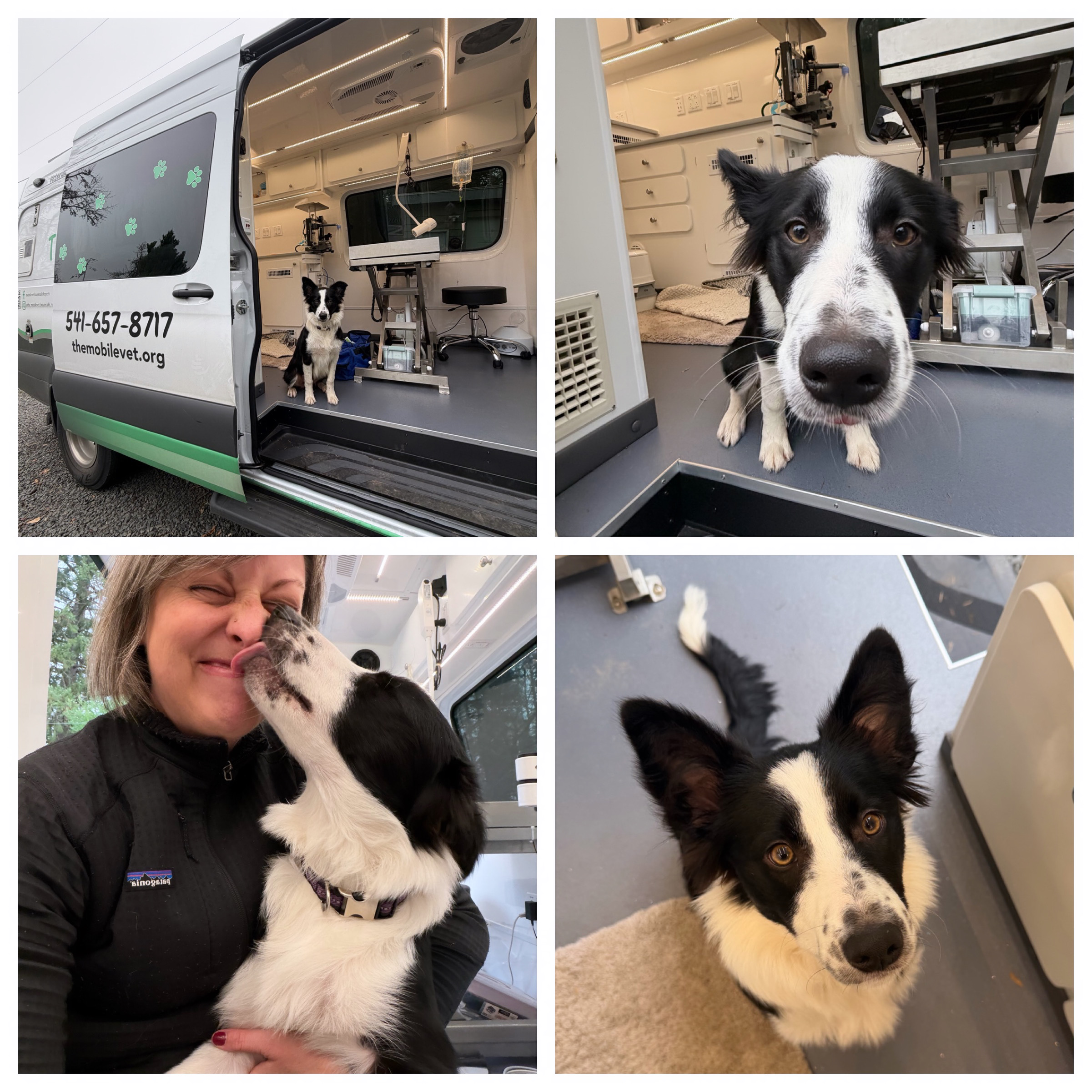
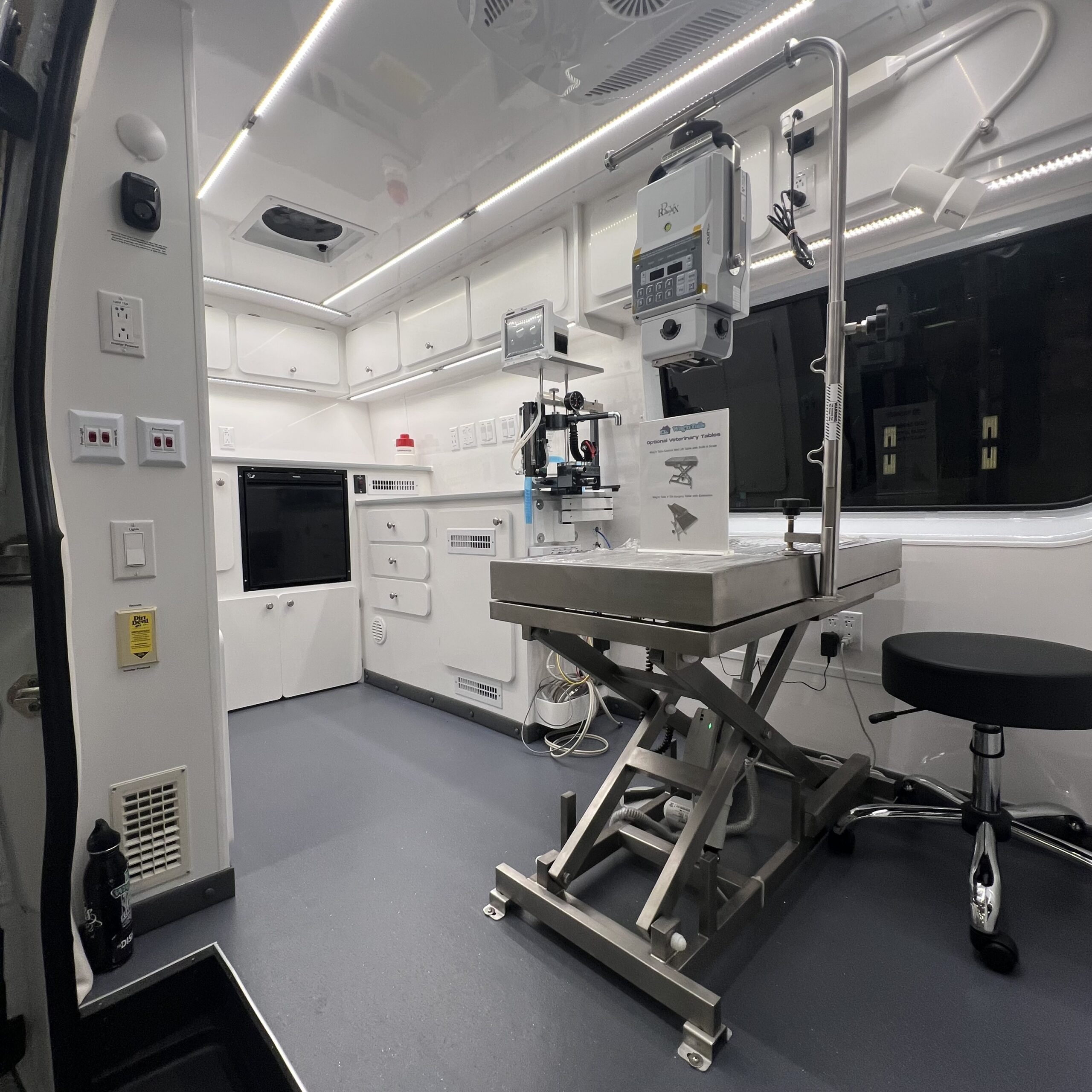
One of the things I love most about mobile medicine is that I get to see pets where they’re most comfortable.

No adrenaline from the car ride.
No waiting rooms.

Just… real behavior.

For mild to moderate cases, a visit may include:

• A full physical exam
• A fecal test (parasites are more common than people think)
• Probiotics
• Anti-nausea medication if needed
• Subcutaneous fluids for hydration

Sometimes that’s all it takes to turn things around.


When I Recommend the ER Instead

There are moments where the best medicine isn’t mobile.

If your pet needs:

• IV fluids
• Immediate lab results or x-rays
• Emergency surgery

I will tell you clearly:

👉 “We need to go to urgent care.”

That’s not a failure of mobile medicine.

That’s good medicine.


Two Situations Where “Mild” Diarrhea Isn’t Actually Mild

Living in the Pacific Northwest, there is one disease I always have in the back of my mind:

Raw Fish Exposure

If your dog has eaten raw fish recently—even if symptoms seem mild—I worry about salmon poisoning disease.

The other disease that can present with only mild diarrhea but actually be more serious is Addison’s Disease:

Especially in younger female dogs.

Sometimes the only early sign… is mild, vague GI upset.


The Truth About Diarrhea

Most of the time, it’s not an emergency.

But the times that it is?

You don’t want to miss them.


Why I Built a Mobile Practice

Because decisions like this shouldn’t feel overwhelming.

You shouldn’t have to choose between:

• ignoring something that might matter
• or rearranging your entire life to get to a clinic

Sometimes you just need someone to come to you, look at your dog, and say:

👉 “This is okay.”

or

👉 “This isn’t okay—and here’s what we do next.”


If You’re Not Sure—That’s Okay

You don’t have to figure it out alone.

If your dog has diarrhea and you’re unsure what to do, I’m always happy to help guide you—even if that means telling you it’s okay to wait.


Serving Eugene, Springfield, and surrounding areas
www.themobilevet.org